Open-Mold Blank Sampling vs. Private Steel Tooling: Carbon Racket OEM & Batch QC Workflow
A sourcing guide comparing factory open molds against custom steel cavities, golden-sample sign-off stages, and pre-shipment batch inspection records.
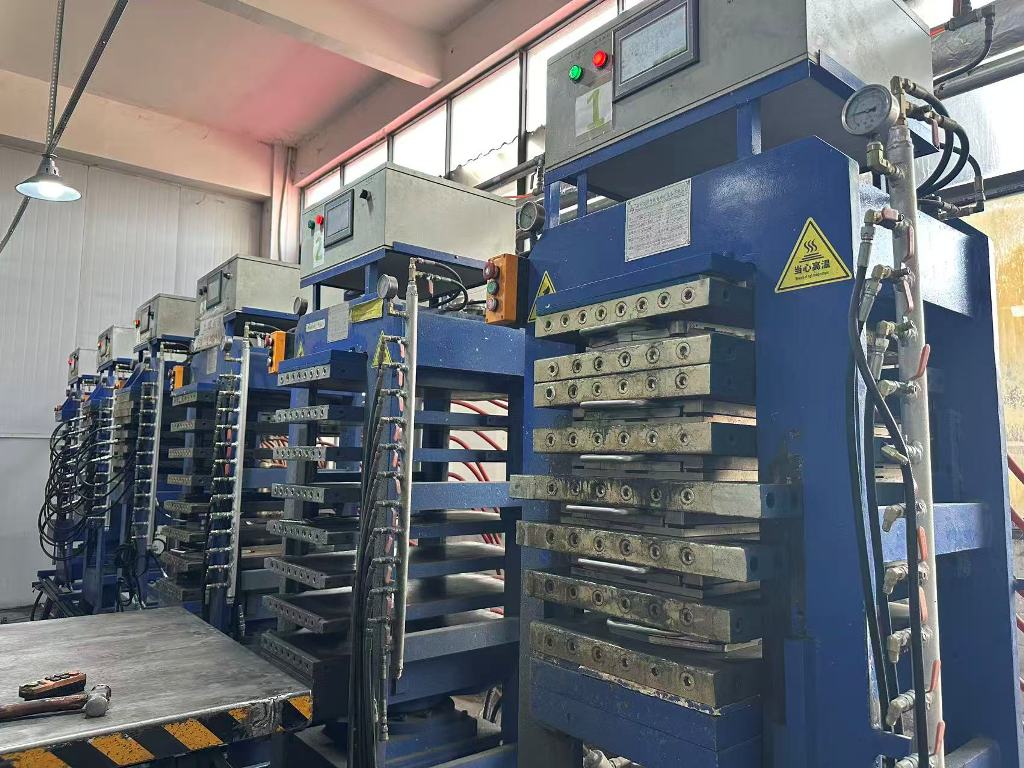
Choosing between an existing open mold and custom private steel tooling affects upfront capital, launch timeline, and minimum order quantities. Aligning tooling scope and quality checkpoints upfront prevents costly revisions mid-production.
01 / Open Molds vs. Private Steel Cavities
During racket manufacturing planning, sourcing teams typically evaluate two tooling paths:
| Dimension | Factory Open Mold (Private Label) | Custom Private Steel Tooling (ODM) |
|---|---|---|
| Upfront Tooling Cost | No new steel cavity fee; decal & paint setup only | Requires CNC steel mold engineering & trial shots |
| Development Timeline | Fast transition from blank test to cosmetic proof | Longer cycle for 3D CAD, cavity machining & T1 trials |
| Customization Depth | Layup tuning, paint, water decals, grip & packaging | Exclusive frame cross-section, throat bridge & dimensions |
| Best Commercial Fit | New brand launches, club lines & seasonal SKUs | Established brands requiring proprietary geometry |
02 / Practical Sample Approval Sequence
To keep bulk production aligned with expectations, separate structural validation from cosmetic approval:
- Stage 1 — Structural Blank Evaluation: Verify bare or matte sample weight, balance point, shaft flex, grip size, and stringing behavior.
- Stage 2 — Pre-Production Golden Sample: Confirm matte/gloss paint finish, decal alignment, string stencil artwork, butt-cap logo, and retail bag/carton packaging under custom OEM specifications.
03 / Weight Sorting & Pre-Shipment Inspection
Composite layup and hand sanding naturally introduce slight gram variations. Agree in writing on buyer inspection checkpoints before mass production begins—covering weighing state, acceptable gram/millimeter tolerances, cosmetic defect classification (major/minor), and sampling quantities.
04 / Linking Cartons to Approved Samples
Require SKU codes, grip size labels, and batch identifiers on inner polybags and master export cartons so warehouse receiving teams can verify shipments efficiently. Discuss your project timeline on WhatsApp to align mold options and sample steps.
Related engineering guides
Box vs. Aero Frame Profiles, Shaft Diameter & Blank Sampling for Badminton OEM
Compare box, aero-sword, and hybrid frame cross-sections alongside shaft outer diameter options before approving raw blank samples.
Tennis Racket Static Weight, Swingweight & Grip Sizes (G1–G4): OEM Assortment Guide
Plan commercial unstrung weight tiers (270g / 285g / 300g), swingweight targets, and regional G1–G4 grip size splits for OEM tennis orders.
72 vs. 76 Grommet Holes, Unstrung vs. Pre-Strung Delivery & Stencil Ink OEM Guide
Evaluate 72- vs. 76-hole grommet layouts, compare unstrung frame shipping against pre-strung retail kits, and plan custom stencil branding.
Plan your racket range
Share your target market, racket types and sourcing needs. We can review models, configurations and customization options together.